Category: General

  • Key Factors That Affect Prices When You Buy A Mansion In Dubai

    Key Factors That Affect Prices When You Buy A Mansion In Dubai

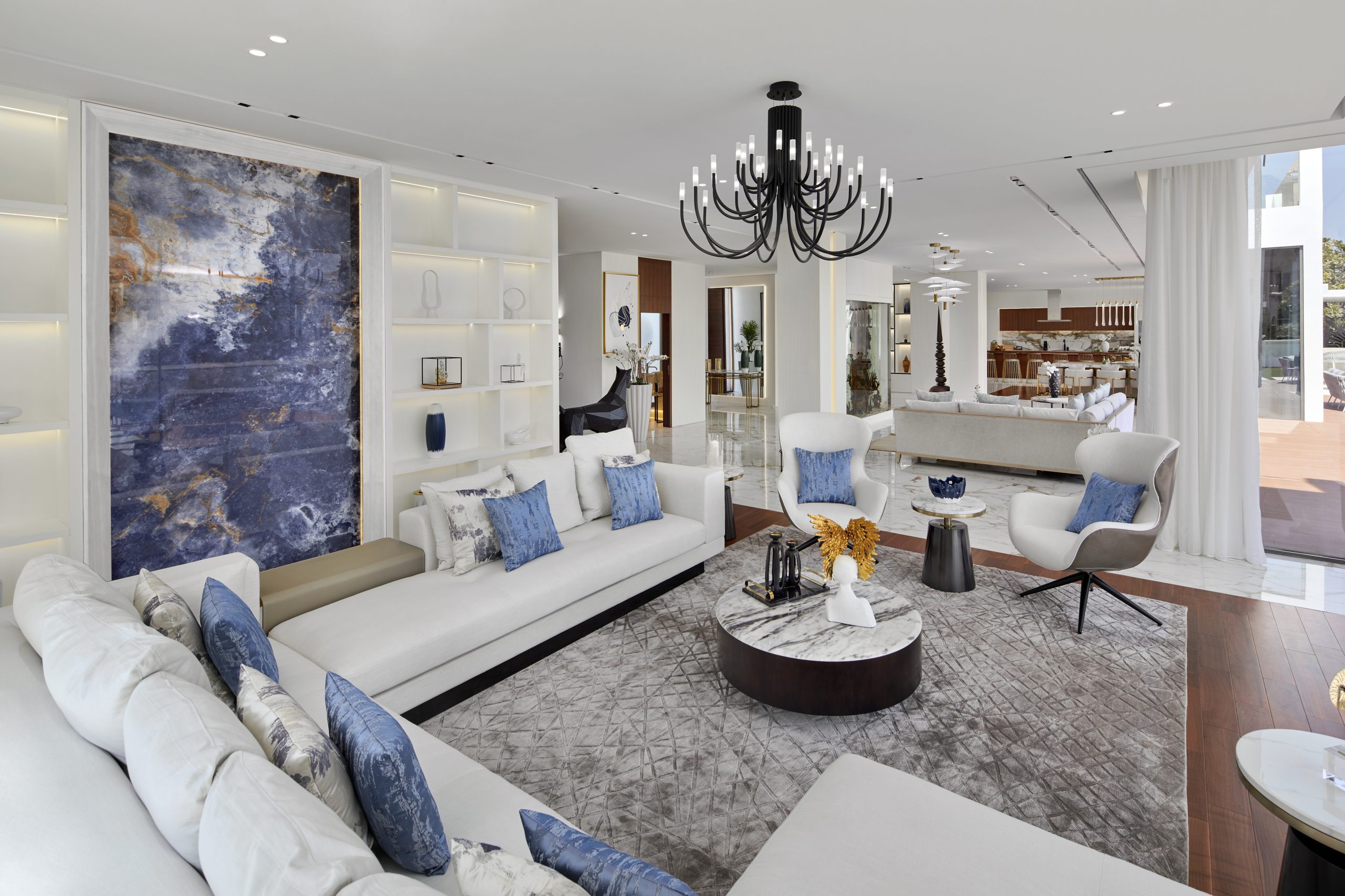
    When considering buying a mansion in Dubai, there are several key factors that can greatly affect the price of the property. These factors range from the location and size of the mansion to market trends and economic conditions. It is important for potential buyers to understand these factors to make an informed decision and negotiate a fair price for their dream home.

    Here are the key factors that shape the cost when you decide to buy a mansion in Dubai.

    Location is everything:

    Where your mansion sits matters most. Waterfront views with private beach access command a huge premium. Mansions in gated communities with top-tier security and exclusivity also carry higher values. Proximity to city landmarks, leisure hubs, and green spaces adds to the price. A similar home can vary in cost dramatically from one street to the next.

    Size and scale:

    The pure volume of space is a primary cost driver. This includes the total land area of the plot and the built-up area of the mansion itself. More bedrooms, expansive living areas, staff quarters, and dedicated entertainment rooms increase the price. High ceilings and grand architectural volumes also add to the construction quality and final value.

    Build quality and finish:

    The materials and craftsmanship define luxury. Mansions with imported marble, custom woodwork, smart home systems, and premium branded fittings cost more. The level of detail in finishes, from kitchen cabinets to bathroom fixtures, significantly impacts the price. A mansion built with exceptional standards will hold its value better over time.

    Views and privacy:

    What you see from your window is a valued asset. Uninterrupted views of the sea, a famous city skyline, or a championship golf course increase a mansion’s price. Privacy is equally important. Homes that are shielded from neighbours and roads, with well-designed landscaping, offer a secluded haven that buyers pay extra for.

    Amenities and features:

    Unique features separate a great mansion from an extraordinary one. A private pool, spa, home cinema, gym, or a large customised basement add cost. Outdoor living spaces, like summer kitchens and landscaped gardens, are also big value adders. The presence of these amenities is reflected directly in the asking price.

    Grasping these factors helps you see the real value behind the listing price. It prepares you to make a choice that fits both your dreams and your plans for the future.

  • What Property Managers Do To Improve Efficiency

    What Property Managers Do To Improve Efficiency

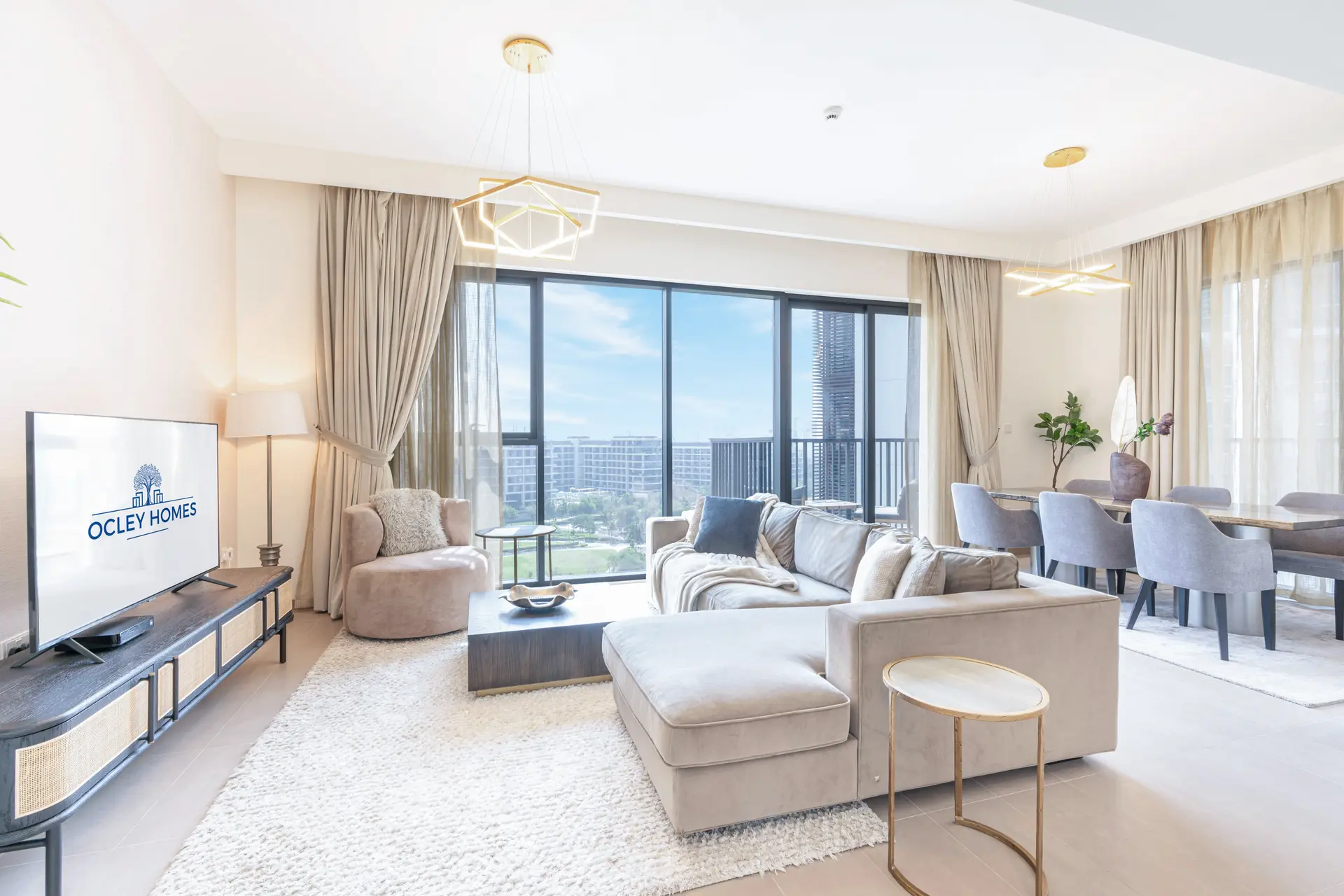
    A well-run building feels calm and works smoothly. Things get fixed fast. The common areas are clean and welcoming. This comfort does not happen by chance. It is the result of a property manager’s focus on efficiency. Their work in the background keeps everything moving, saves money, and makes life easier for residents.

    The following are the methods they employ to achieve this.

    Using smart technology:

    Paper forms and manual keys are slow. Property managers at Ocley group real estate now use digital tools. Residents can pay rent online, submit work requests from a phone, and receive updates through a portal. Managers use software to track repairs and finances. This cuts down on paperwork, reduces errors, and speeds up every process.

    Scheduling preventive maintenance:

    Waiting for something to break is a bad plan. It causes stress and big repair bills. Efficient managers follow a schedule for preventive care. They service heating systems before winter, clean gutters each fall, and inspect roofs regularly. This forward-thinking approach prevents larger problems, saving time and money later.

    Building strong vendor teams:

    A manager cannot do every job. They rely on plumbers, electricians, and landscapers. A good manager finds reliable vendors and builds strong relationships. They get fair pricing and quick response times. Having a trusted team means repairs are done right the first time, without delay.

    Clear and quick communication:

    Confusion creates inefficiency. Strong property managers set clear ways to talk. They tell residents how and when to report issues. They send out timely notices about building projects or policy changes. When everyone has the same information, problems get solved faster, and complaints go down.

    Regular property inspections:

    Walking the property is essential. Managers look for small issues: a loose handrail, a flickering light, a patch of worn grass. Catching these small things early stops them from becoming major, costly repairs. It also shows residents their home is being cared for actively.

    Streamlining financial operations:

    Money management must be sharp. Good managers make budgets with care. They compare costs from different suppliers for services like garbage collection or insurance. They ensure rent collection is simple and consistent. Clear financial records prevent disputes and help plan for future improvements without surprise costs.

  • Why Regular Salon Visits Are Essential for Healthy Hair

    Why Regular Salon Visits Are Essential for Healthy Hair

    Many people view salon appointments as a luxury, an occasional treat for a new style or colour. However, consistent professional care forms a critical part of maintaining truly healthy hair. Between environmental damage, styling stress, and chemical processing, our hair endures daily challenges.

    Home routines, while important, often lack the specialised tools and expertise needed to address underlying issues and prevent long-term damage. This is where the role of a professional becomes indispensable, a point well understood by patrons of any reputable hair care salon Abu Dhabi.

    Expert Diagnosis and Personalised Solutions:

    A professional stylist assesses your hair’s condition with trained eyes. They identify specific concerns like split ends, scalp dryness, or breakage that you might miss. This diagnosis allows them to create a tailored plan, selecting treatments and products that target your hair’s unique needs. Generic store-bought solutions cannot match this level of personalisation, which addresses the root cause of problems rather than just the symptoms.

    Advanced Maintenance and Damage Control:

    Regular trims, typically recommended every six to eight weeks, are the cornerstone of healthy hair upkeep. They remove split ends before they travel up the hair shaft, preventing further breakage and maintaining a neat appearance. Salons also provide deep-conditioning treatments and protein therapies that use professional-grade products and application methods. These intensive sessions repair damage, restore moisture, and fortify hair strands in ways that home conditioners cannot achieve.

    Professional Application and Styling Health:

    Colouring, perming, or straightening treatments involve strong chemicals that risk damage if applied incorrectly. A skilled colourist ensures even application and processes formulas correctly, minimising harm while achieving the desired result. They also possess the technique to use high-heat tools like blow dryers and flat irons in a safer manner, protecting your hair’s integrity during styling.

    Education for Better Home Care:

    Your stylist acts as an educator. During your visit, they explain what they see in your hair and scalp. They recommend suitable products for your home routine and demonstrate correct washing, drying, and styling techniques. This guidance bridges the gap between salon visits, empowering you to make better daily choices that support the health of your hair.

    Committing to regular salon appointments is an investment in your hair’s long-term health and vitality. It builds a partnership with a professional who can guide, treat, and maintain your hair’s best condition. This consistent care keeps hair strong, resilient, and looking its best every day.

  • How the Best Interior Design Companies Are Shaping Modern Living

    How the Best Interior Design Companies Are Shaping Modern Living

    The spaces we inhabit have a profound impact on our daily lives, influencing our mood, productivity, and well-being. Leading interior design companies are no longer simply decorators. They act as interpreters of contemporary culture, anticipating needs and creating environments that support modern lifestyles.

    Their work establishes the benchmarks for style, function, and innovation in homes and workplaces. This influence is particularly visible in global hubs, including the work of top interior design companies in Dubai.

    Integrating Technology Seamlessly:

    Forward-thinking firms treat technology as a core component of the interior architecture. They design homes where lighting, climate, and entertainment systems operate from intuitive controls or voice commands. They specify smart appliances that hide behind cabinetry panels and integrate wireless charging into furniture surfaces. The goal is to make advanced functionality feel simple and unobtrusive, supporting convenience without visual clutter.

    Prioritizing Health and Well-being:

    A primary focus now is designing for human health. These companies select materials for their air quality benefits, specifying low-VOC paints and sustainable, natural textiles. They maximize natural light and design layouts that encourage movement and social connection. Biophilic design principles are key, introducing indoor plants, natural wood textures, and water features to reduce stress and connect occupants with nature indoors.

    Creating Adaptive and Flexible Spaces:

    Modern living demands versatility, especially in urban environments. Design leaders create rooms that serve multiple purposes. A home office folds away into a living room cabinet; a guest room converts into a workout area. They use movable partitions, modular furniture, and smart storage to allow a single space to shift function throughout the day, making square footage work harder for its inhabitants.

    Emphasizing Personalized Experiences:

    The era of one-size-fits-all luxury is fading. The best companies spend significant time understanding a client’s personal rituals, hobbies, and family dynamics. They then craft deeply customized spaces a reading nook bathed in perfect light, a kitchen designed for a specific culinary style, or a gallery wall for a treasured art collection. The result is a home that feels authentically personal, not a showroom template.

    Championing Sustainable Practice:

    Environmental responsibility is a standard operational pillar. Leading firms source locally produced materials, specify reclaimed wood and recycled metals, and choose durable, timeless pieces over fast-fashion trends. They design for longevity, creating spaces that will remain functional and beautiful for years, reducing the need for future renovation and waste.

  • The Real Deal on LED vs. UV Lamps for Gel Polish

    The Real Deal on LED vs. UV Lamps for Gel Polish

    Gel polish has changed the way manicures look and last, but the lamp used to cure that glossy finish plays a big role in the final result. Many clients sit under a light without thinking twice about what it does.

    The truth is that LED and UV lamps work in different ways, affect curing time, and shape the overall salon experience. By looking into the differences, you can feel confident about your manicure choice at your favorite nail salon Mohammed Bin Zayed City.

    How UV Lamps Cure Gel Polish:

    UV lamps have been around longer in the nail world. They use ultraviolet light to cure gel polish by activating the photoinitiators inside the formula. This type of lamp works with almost every gel brand, making it a flexible option in many salons. The curing time usually ranges from two to three minutes per layer, which gives technicians enough control to ensure an even finish. UV lamps also tend to cost less, which is why many salons still rely on them today.

    How LED Lamps Speed Things Up:

    LED lamps use light emitting diodes that target specific wavelengths. This focused light cures gel polish faster, often in thirty to sixty seconds per layer. For clients who value efficiency, this can feel like a game changer. LED lamps also produce less heat during curing, which can reduce discomfort for sensitive nails. Another advantage is energy efficiency, as these lamps last longer and use less power over time.

    Curing Time and Finish Quality:

    Both lamp types can deliver a smooth and shiny manicure when used correctly. The main difference comes down to time and compatibility. UV lamps cure a wider range of gel formulas, while LED lamps require gels designed to react to LED light. When the right lamp and polish pair together, the finish looks equally professional and durable.

    Safety and Skin Considerations:

    Concerns about UV exposure often come up in nail care conversations. Both lamps emit UV light, though LED lamps release a smaller amount due to shorter curing times. Applying sunscreen or wearing protective gloves can add peace of mind during any gel service.

  • Benefits Of Having A Private Nurse At Home

    Benefits Of Having A Private Nurse At Home

    Home care provides a familiar setting for daily recovery and support. For those who prefer to remain in their own space during medical care, a private nurse brings regular attention in a calm environment. The focus remains on comfort, gentle routines, and steady observation.

    Personalized daily care

    Each person has different routines, habits, and comfort levels. A private nurse in Dubai is present to follow these preferences closely. From meal times to medication schedules, daily tasks are carried out in a way that suits the individual. Adjustments are simple and based on what works best at home.

    Reduced travel and appointments

    Getting to clinics or hospitals regularly may feel tiring, especially during recovery or illness. A private nurse reduces the number of trips outside the house by performing tasks such as basic check-ups, medication reminders, or dressing changes at home. This brings ease to the routine and saves time.

    Comfort in familiar surroundings

    Remaining in a known setting brings peace to daily care. Familiar furniture, personal belongings, and close contact with family add to a sense of calm. The nurse works within this space, allowing the person to stay connected to their regular way of living without sudden changes.

    Flexible support options

    Schedules for private nursing vary depending on the situation. Some families request care for a few hours a day, while others arrange full-time support. This flexibility allows everyone in the home to manage responsibilities more smoothly, and it also provides rest for family members.

    Ongoing monitoring

    Health conditions may want regular checks for comfort and stability. A private nurse quietly observes signs, tracks any changes, and provides steady attention. This helps to keep daily care on track and provides reassurance for the person receiving care as well as family members.

    Connection and conversation

    Daily interaction with the same caregiver brings a level of familiarity. A private nurse often becomes a steady presence who understands daily routines. This connection adds warmth to care and may ease feelings of worry or isolation during recovery or long-term support.

    Peace of mind for the household

    Knowing someone is nearby to support with care brings quiet relief to other members of the home. It allows them to continue with work, rest, or personal time, knowing that care is ongoing and attentive.

  • The Key Elements Of Interior Fit-Out

    The Key Elements Of Interior Fit-Out

    Do you want to create a beautiful and functional space for your home or business? Look no further than interior fit-out. This process involves designing, planning, and executing the layout and design of the interior space to meet specific goals. This guide explores the key elements used by interior fit out consultants in Dubai to help you understand what goes into creating a stunning and efficient living or working environment.

    Space planning and layout:

    Efficient space planning ensures that the area is used effectively. This involves organising furniture, fixtures, and pathways to increase functionality. A well-planned layout improves movement within the space while maintaining a balance between open and private areas.

    Walls and partitions:

    Walls and partitions define different sections of an interior space. Gypsum boards, glass partitions, and wooden panels are commonly used to create separate areas without making the space feel restricted. Glass partitions help maintain openness, while solid walls offer more privacy and sound insulation.

    Flooring selection:

    The choice of flooring affects both the appearance and durability of the interior. Materials such as tiles, hardwood, vinyl, and carpet are selected based on the type of space. Offices may prefer carpet for sound absorption, while retail spaces often use polished tiles for a modern and clean look.

    Ceiling design and finishes:

    Ceilings contribute to the overall aesthetics and functionality of a space. Suspended ceilings, decorative mouldings, or exposed industrial-style ceilings are used depending on the design preference. Acoustic ceiling panels can also improve sound quality in offices and commercial areas.

    Lighting and electrical installations:

    Proper lighting improves the ambience and usability of a space. A combination of natural light, task lighting, and decorative fixtures creates a comfortable environment. LED lighting is widely used for energy efficiency, while smart lighting systems offer advanced control options.

    Joinery and customized furniture:

    Bespoke furniture and built-in storage solutions improve space efficiency. Joinery work, such as wooden cabinets, shelves, and counters, adds a personalised touch to the interior while ensuring practical use.

    HVAC and ventilation systems:

    Heating, ventilation, and air conditioning (HVAC) systems maintain indoor air quality and temperature control. Proper ventilation is necessary for comfort and energy efficiency, especially in commercial and office spaces.

  • 6 Essential Skills For Heavy Bus Drivers

    6 Essential Skills For Heavy Bus Drivers

    Heavy bus driving is a highly skilled profession that requires a unique set of abilities to ensure safety, efficiency, and comfort for passengers. The demands of handling a large vehicle in various traffic conditions make it important for bus drivers to develop certain skills. Before taking on the responsibility, understanding the required competencies and obtaining your bus license in Dubai is necessary.

    Vehicle control and manoeuvring:

    A bus driver must be able to control and manoeuvre the vehicle smoothly and efficiently. Due to the bus’s large size, driving requires more precision when steering tight spaces, making turns, or merging into traffic. Bus drivers need to be aware of their surroundings and ensure that the vehicle does not hit curbs, other vehicles, or pedestrians.

    Must adopt defensive driving techniques:

    Heavy bus drivers must adopt defensive driving techniques to anticipate and react to hazards. This includes maintaining a safe distance from other vehicles, being vigilant of other drivers’ behaviours, and adjusting to different road conditions. By adopting defensive driving, bus drivers can prevent accidents and respond effectively to sudden changes in traffic or road conditions.

    Communication and customer service skills:

    Bus drivers interact with a wide range of passengers daily, making strong communication and customer service skills essential. Whether it’s giving clear directions, managing passenger behaviour, or handling complaints, bus drivers should have a polite and professional approach. Being approachable and maintaining a calm demeanor is vital for creating a positive experience for passengers.

    Time management:

    Bus drivers often follow strict schedules, especially when operating public transport. Effective time management is vital to ensure that the bus arrives on time at each stop while also considering safety. Drivers should be able to maintain consistent speed, avoid delays, and manage their route efficiently without compromising on safety or comfort.

    Problem-solving and decision making:

    Bus drivers need to be able to make quick decisions, especially in challenging or unexpected situations. Whether it’s dealing with road closures, adverse weather conditions, or managing difficult passenger situations, being able to think clearly and solve problems on the spot is important.

    Physical fitness and stamina:

    Driving a heavy bus requires physical stamina, especially on long shifts or routes with heavy traffic. Drivers need to remain alert and focused for extended periods, making physical fitness an important skill. Staying active and maintaining good health ensures that a driver can handle the demands of their job effectively.

  • How To Match Wallpaper With Your Room’s Décor

    How To Match Wallpaper With Your Room’s Décor

    Are you redecorating your room and planning to add wallpaper? Do you want to find the perfect wallpaper that will complement your room’s décor? While choosing a wallpaper may seem like an easy task, it can actually be quite challenging. It’s important to consider the overall theme and style of your room before making a decision. Here are some tips on how to match wallpaper for wall with your room’s décor.

    Consider the room’s function:

    The purpose of the room sets the tone for your wallpaper choice. For example, calming hues and minimalist patterns work well in bedrooms, creating a relaxing environment. Instead, vibrant and bold designs are perfect for living rooms or dining areas where energy and conversation flow. Always align your wallpaper choice with how you use the space.

    Harmonize with existing colors:

    To avoid clashing, coordinate the wallpaper’s color palette with the existing shades in the room. Use wallpaper that either complements or contrasts in a balanced way with your furniture, curtains, and decorative elements. If your room has neutral tones, opt for wallpaper with a subtle pattern to improve the overall feel without overwhelming the space.

    Choose patterns that improve the room’s size:

    The pattern on your wallpaper can influence how large or small a room feels. Small prints are ideal for compact spaces, creating a sense of openness. Conversely, larger patterns or murals make a statement in spacious rooms. Vertical stripes can make low ceilings appear higher, while horizontal patterns can widen a narrow room.

    Mix textures thoughtfully:

    Adding textured wallpaper can bring depth and richness to your room. When mixing textures, ensure the wallpaper complements other materials in the space, such as wood, metal, or fabric. For example, pairing metallic wallpaper with plush furniture creates a luxurious, layered look.

    Test samples before committing:

    Before installing wallpaper, order samples and test them on your walls. This helps you see how they look under different lighting conditions and ensures they work well with your décor.

    Incorporating wallpaper is a creative way to renovate your space, but matching it with your room’s décor requires careful thought. Whether your style leans towards modern or classic, the right wallpaper for wall décor can breathe new life into your home.

  • Strategies For Successful Social Media Campaigns

    Strategies For Successful Social Media Campaigns

    The success of any social media campaign is dependent on the strategies used. In this section, we will discuss some key strategies that can help make your social media campaigns successful. Many businesses turn to a social media marketing services Dubai to help design and execute campaigns that achieve measurable success.

    What are your goals?

    Before you begin a social media campaign, it’s important to clearly define your goals. This will give direction and purpose to your actions. Your goals should be specific, measurable, attainable, relevant, and time-bound (SMART). For example, instead of saying “I want to increase my brand awareness”, a SMART goal would be “I want to increase my brand awareness by 20% in the next 3 months through targeted Facebook ads”.

    Know your audience:

    Understanding your audience is key for creating campaigns that resonate. Research their preferences, behaviors, and demographics to create messages that speak directly to them. Social media insights and analytics can help identify your audience’s interests and online habits.

    Create engaging content:

    Content is the cornerstone of any campaign. Use a mix of eye-catching visuals, compelling captions, and interactive elements such as polls or quizzes to keep your audience interested. Tailor your content to each platform, ensuring it aligns with the unique characteristics of the site.

    Utilize hashtags and trends:

    Strategic use of hashtags can increase the visibility of your campaign, while staying up to date with trending topics keeps your brand relevant. However, ensure that any trend you join aligns with your brand’s values and message.

    Invest in paid advertising:

    Paid social media ads allow you to reach a wider and more targeted audience. Platforms like Facebook, Instagram, and LinkedIn offer advanced tools to create ads tailored to specific demographics, ensuring your campaign reaches the right people.

    Schedule content strategically:

    Posting at the right times increases the impact of your content. Analyse when your audience is most active and schedule posts accordingly to boost visibility and engagement.

    By employing these strategies, your social media campaigns can achieve amazing results. For expert guidance, consider partnering with Social Media marketing services to refine your approach and increase your campaign’s impact.